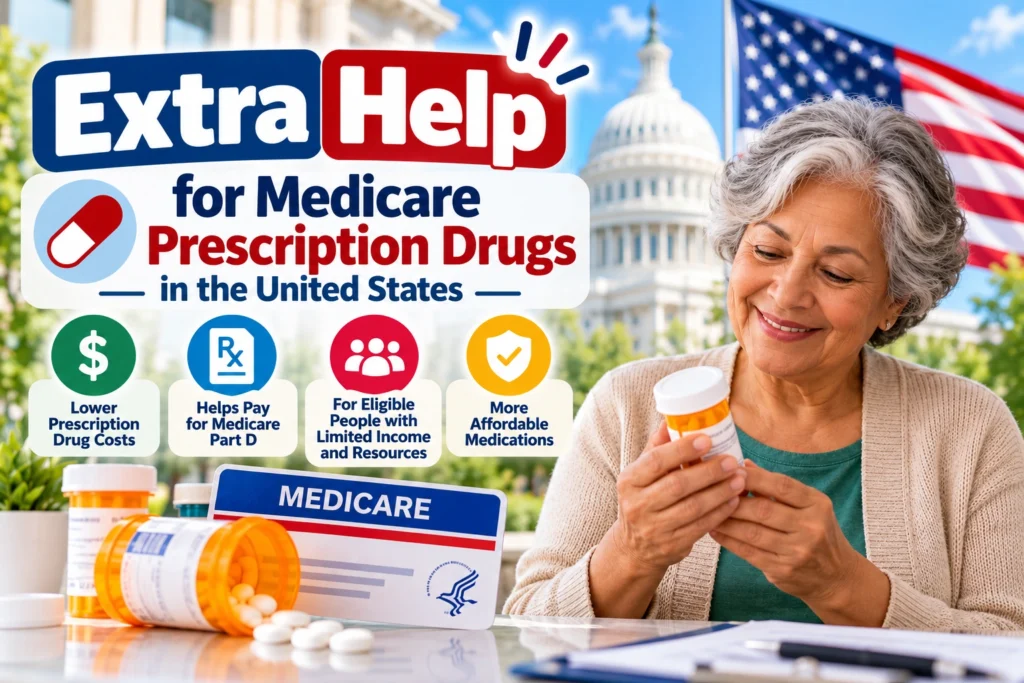
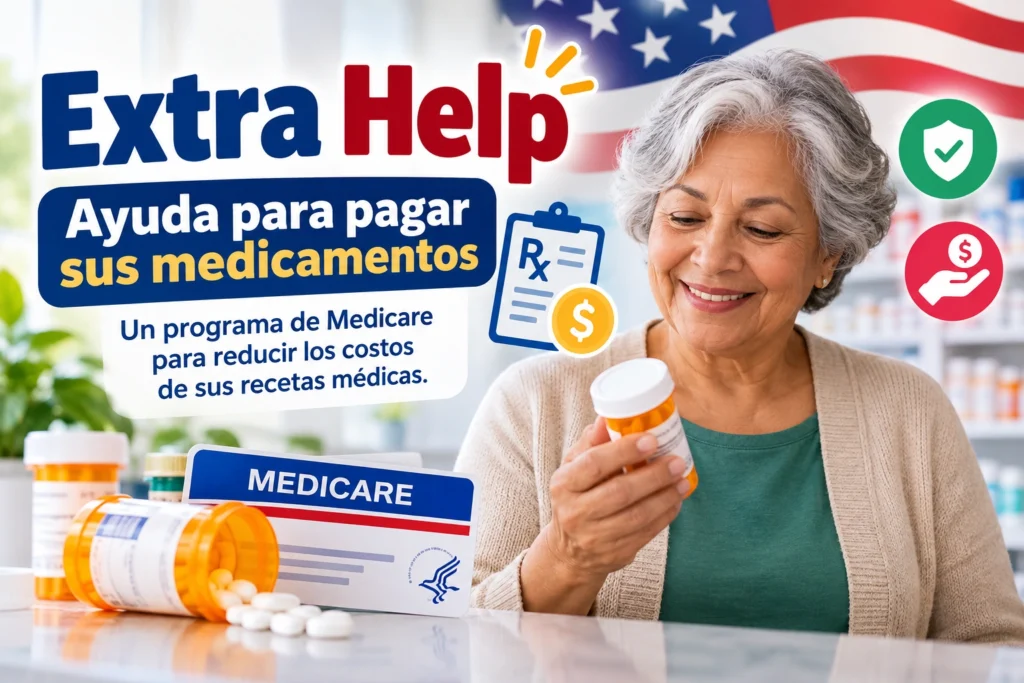
Extra Help, also known as the Low-Income Subsidy (LIS), is a federal program that helps eligible people with Medicare reduce the cost of their Medicare Part D prescription drug coverage.
The program can lower or eliminate certain Part D premiums, deductibles, and prescription drug copayments. It is especially useful for people with limited income and financial resources who need help paying for medications.
💙 What Is Extra Help?
Extra Help is not a separate health insurance plan. Instead, it works with a Medicare Part D prescription drug plan to reduce what eligible beneficiaries pay.
Depending on the person’s situation, Extra Help may reduce:
- 💊 Monthly Part D premiums
- 🧾 Annual deductibles
- 💵 Copayments for prescription drugs
- 📉 Other out-of-pocket prescription costs
- ⏰ Certain Part D late enrollment penalties
People who qualify can often save significantly on prescription medications throughout the year.
👴 Who May Qualify?
Eligibility is based mainly on income and financial resources.
People may automatically receive Extra Help if they are enrolled in certain assistance programs, such as:
- Full Medicaid
- A Medicare Savings Program
- Supplemental Security Income, also known as SSI
People who do not qualify automatically can still apply through the Social Security Administration.
💵 What Income and Resources Are Considered?
When determining eligibility, the government may review:
- Household income
- Savings accounts
- Checking accounts
- Stocks
- Bonds
- Retirement accounts
Some property is generally not counted, including a primary residence, personal belongings, and certain burial-related funds.
Because the limits can change from year to year, beneficiaries should always verify the current requirements before applying.
💊 How Does Extra Help Work With Medicare Part D?
To use Extra Help, a beneficiary generally needs to be enrolled in a Medicare drug plan.
If someone qualifies for Extra Help and does not already have a Part D plan, Medicare may help enroll the person in an available prescription drug plan.
The exact amount paid for prescriptions can depend on:
- The medication
- The pharmacy
- The Part D plan
- Whether the drug is covered by the plan
- The beneficiary’s Extra Help status
Extra Help can make prescription costs much more manageable for eligible beneficiaries.
📝 How Can You Apply?
People can apply for Extra Help through the Social Security Administration (SSA).
The application may ask for information about:
- Income
- Bank accounts
- Investments
- Retirement benefits
- Household information
- Other financial resources
The application can usually be completed online, by phone, or through Social Security.
🔄 What If Your Financial Situation Changes?
If a person does not qualify now, they may apply again later if their income or resources change.
Eligibility is reviewed periodically, and Medicare or Social Security may request updated information.
For this reason, beneficiaries should keep their information current and respond promptly to any official notices.
🏥 Does Extra Help Pay for Medical Care?
No.
Extra Help is specifically focused on Medicare Part D prescription drug costs.
It does not directly pay for general doctor visits, hospital care, or other Medicare Part A or Part B expenses.
For help with those costs, some people may qualify for separate Medicare Savings Programs.
✅ Why Is Extra Help Important?
Prescription drugs can represent a major expense for many Medicare beneficiaries.
Extra Help can reduce the financial burden of Part D premiums, deductibles, and medication costs, making it easier for eligible people to continue taking necessary prescriptions.
Extra Help — Medicare Part D
Check official information about help paying Medicare Part D premiums, deductibles, prescription drug copayments and eligibility requirements through the Extra Help program.
Official source: Medicare.gov